
How much have houses on my street sold for?
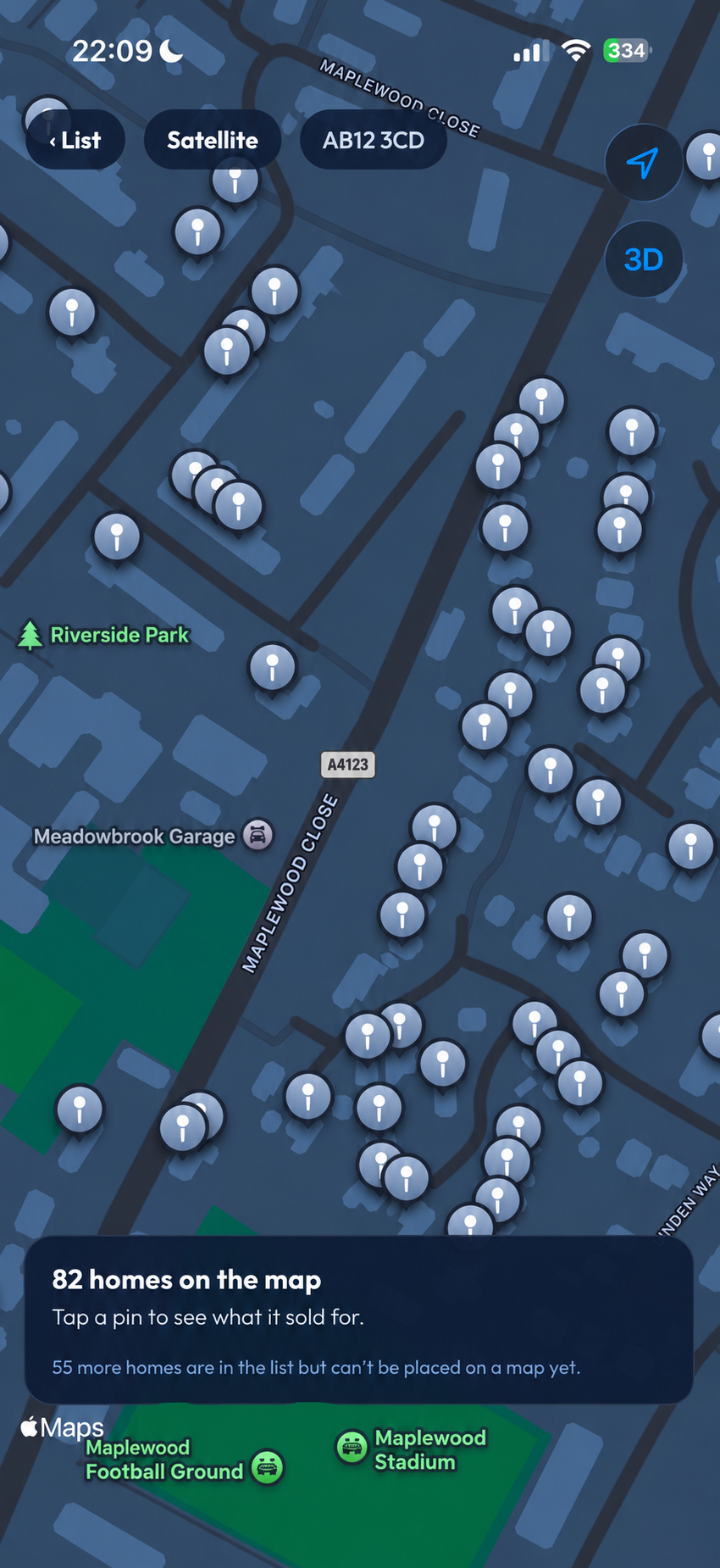
You can find out what houses on your street have sold for, free, because sold prices in England and Wales are public. HM Land Registry publishes the price paid for residential property sold since January 1995, searchable by postcode. Scotland and Northern Ireland publish their own equivalents. The quickest way is to search your postcode rather than a single address, so you see every recorded sale on the street at once — and PicAHome does exactly that, whether you search the postcode or point your camera at a house while you are outside it.
- Sold prices are public record in England and Wales, back to January 1995.
- Searching by postcode shows the whole street, not just one house.
- Sold prices lag the market — they show completed transactions, not today's asking prices.
- Compare like with like: property type, size and date all matter more than proximity alone.
- A street's figures tell you about the street. Individual homes vary enormously within it.
Can I see what my neighbours' houses sold for?
Yes. The price paid for a residential property is public information in the UK, so you can look up what any house on your street sold for, provided the sale is included in the published data.
The published records show the address, the price, the date of the transaction, the property type, whether it was newly built and whether it is freehold or leasehold. They do not name the buyer or the seller, and they say nothing about anyone's finances or mortgage. This is transaction data, not personal data about your neighbours.
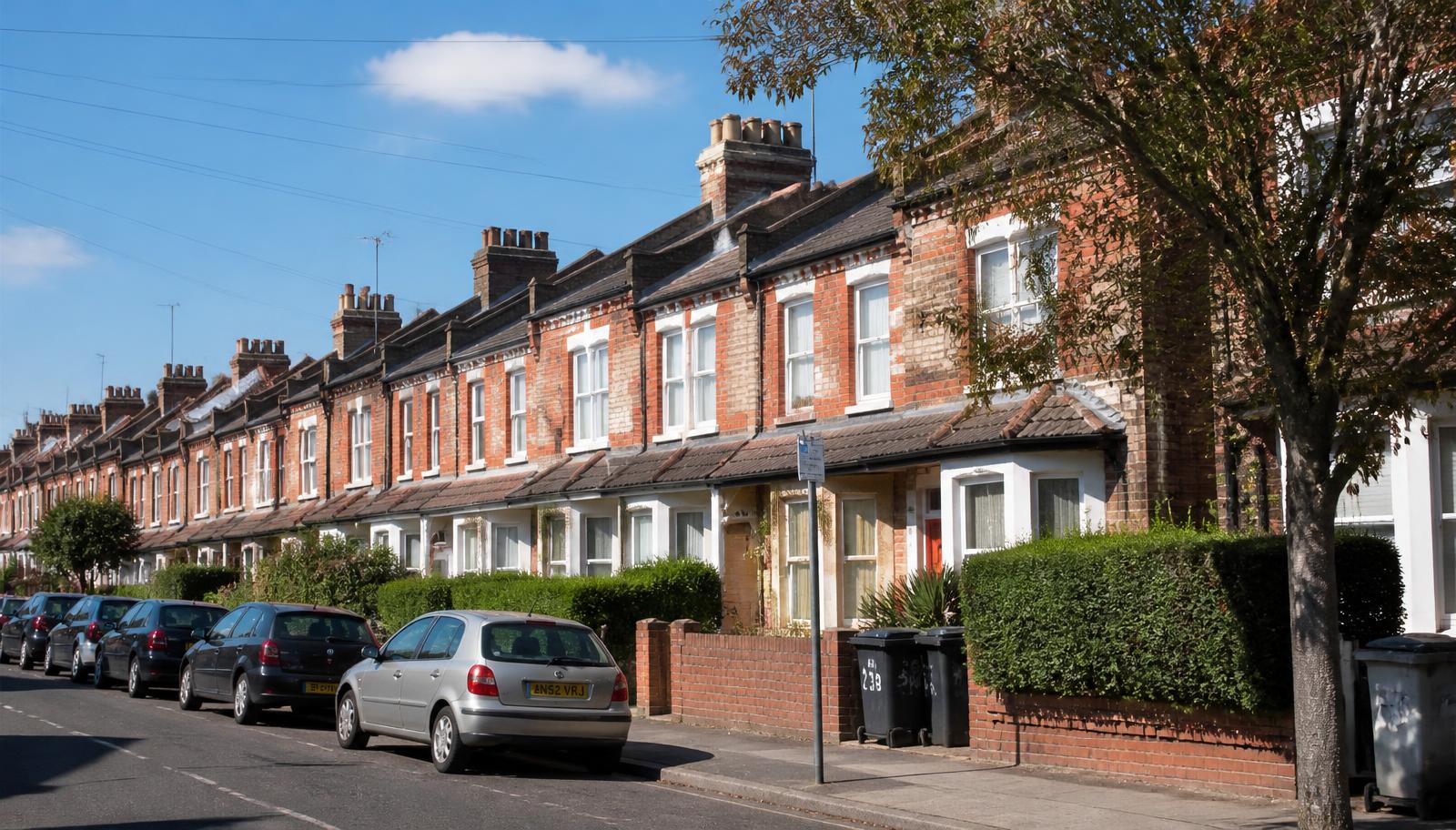
How to find sold prices on your street
Search HM Land Registry by postcode
The HM Land Registry Price Paid Data search lets you search by postcode and date range and returns every included transaction. It is free, official and comprehensive for England and Wales, though the interface is built for data rather than for browsing.
Use a property portal's sold prices section
Major property portals present the same underlying data alongside old listing photos and descriptions, which is genuinely useful context — you can often see the state a house was in when it last sold. Coverage of listing history varies by property and by portal.
Use PicAHome
Search a postcode and browse the street on a map, or point your camera at a house and let PicAHome work out which property you mean. A Discovery shows what that home last sold for, its earlier sales, key details about the property and what is happening nearby. Every home you look up is saved to My Pics, so you can build up a picture of a street across several visits.
Scotland and Northern Ireland
For Scotland, use Registers of Scotland. For Northern Ireland, residential sale prices are published through Land & Property Services.
How to read the sold prices on a street
Compare properties of the same type and similar size, sold as recently as possible, and treat the street as a range rather than a single number.
- Match property type first. A detached house and a terraced house on the same street are not comparable.
- Prefer recent sales. A price from eight years ago tells you about the market then, not now.
- Look at floor area, not just bedroom count. Two three-bed homes can differ by a third in size.
- Read several sales together. One unusual figure in a small dataset proves very little.
- Note leasehold versus freehold, which can account for a large part of a price difference.
Where a price looks out of line with its neighbours, the record itself will not tell you why. The honest position is that condition, work carried out, the terms agreed and simple timing all sit behind the numbers and none of them are published. Look for supporting evidence — planning records, Energy Performance Certificates, old listing photos — rather than guessing.
Why do similar houses on the same street sell for different amounts?
Condition, extensions and loft conversions, plot size, aspect, parking, tenure, and the date of sale all move prices between otherwise similar homes.
Two outwardly identical houses can differ by a substantial margin. One may have been extended; one may have been sold in poor condition; one may sit at the quiet end of the street. Timing alone can explain a lot, since the market moves month to month. This is exactly why an average street price is a weak guide to any individual house on it.
You can check some of these factors yourself. Local authority planning records show applications made at an address, and an Energy Performance Certificate often gives the floor area and construction details.
Does this tell me what my own house is worth?
Comparable sold prices are the strongest free evidence available, but they are a starting point rather than a valuation. Your home's condition and any work done since those sales are not in the data.
Use the street's recent sales to establish a realistic range, then adjust for what makes your home different. Our guide to how much your house is worth sets out seven methods, and how accurate online house valuations are explains why an instant figure and a real price can diverge.
Why is one house on my street missing?
Recent sales may not be published yet, some transfers are excluded from the dataset, and some homes simply have not been sold since 1995.
See why a house sale might not be showing on Land Registry for the full list of reasons, and how long registration takes if the sale was recent.
Frequently asked questions
Can I find out what my neighbour's house sold for?
How do I search sold house prices by postcode?
How far back do street sold prices go?
Why do similar houses on my street sell for different prices?
Do street sold prices show what my house is worth today?
Seen a home you're curious about?
Point. Discover. Know.
Download PicAHome and start discovering the properties around you. Free, with unlimited Discoveries on a free account.
Scan to download PicAHome and start discovering.
Keep reading
Why is a house sale not showing on Land Registry?
A missing sold price usually means a gap in the published data, not a problem with the property. The seven common reasons, and how to find what you need anyway.
Read articleHow long does Land Registry take to update after a house sale?
Completion, registration and publication are three separate steps. What happens after a sale, why sold prices take time to appear, and when a delay is normal.
Read articleHow can I find out how much a house sold for?
Sold prices in England and Wales are public. Where to look them up, how far the records go back, why a recent sale may be missing — and how to check a house you're standing outside.
Read article